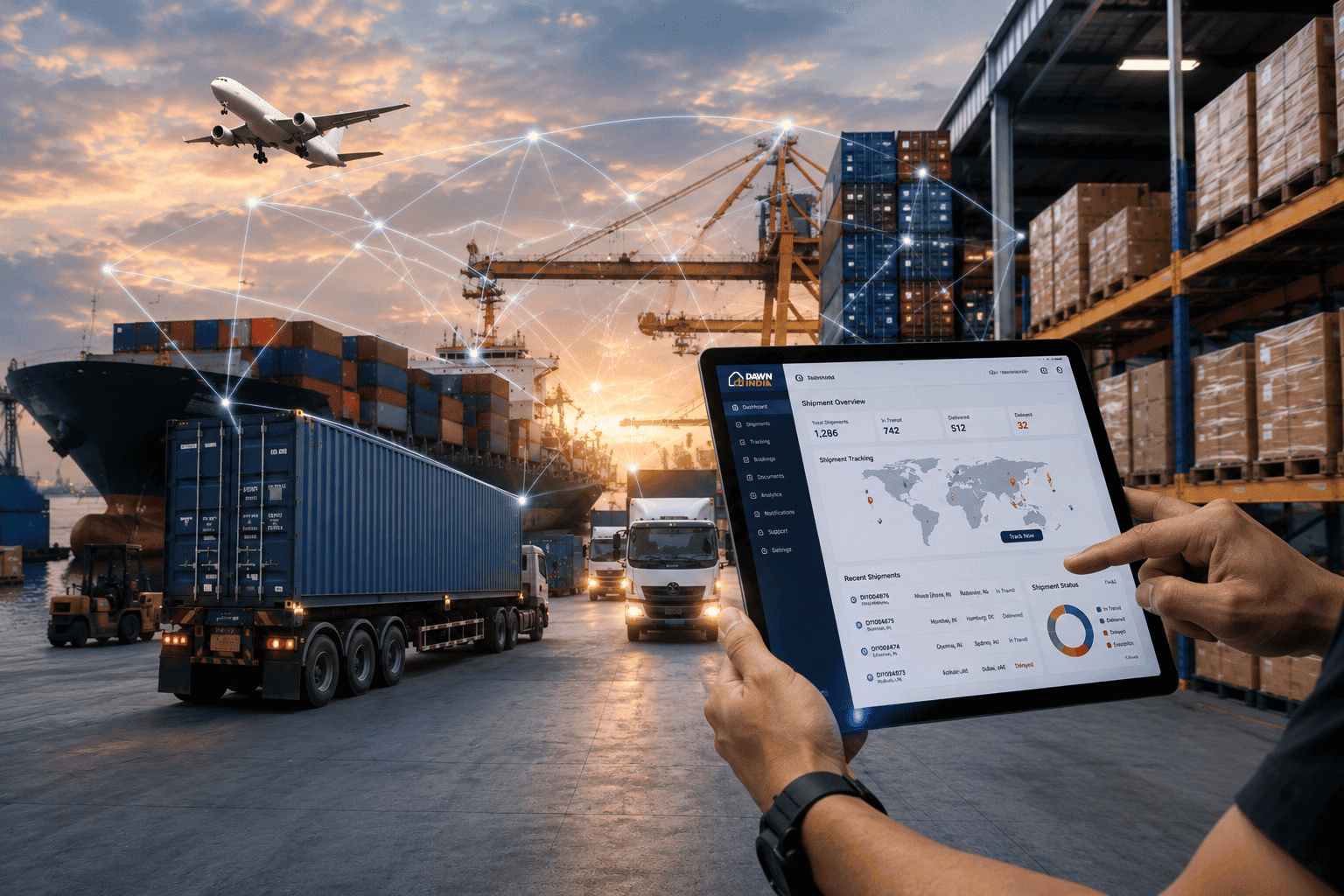


For most businesses, logistics is much more than moving goods from one place to another. It includes transportation, warehousing, inventory management, distribution, packaging, procurement and shipment coordination. When any part of this process is inefficient, the overall cost of serving customers increases. Reducing logistics costs should not mean choosing the cheapest carrier, reducing warehouse resources or accepting slower deliveries. These short-term decisions can lead to delays, stock shortages, fulfilment errors and poor customer experience. A better approach is smarter logistics planning. This means reducing unnecessary movement, improving visibility and using resources more efficiently while keeping deliveries fast and reliable.
Optimise Routes and Transport Planning
Transportation is one of the biggest areas where businesses can improve logistics efficiency. Poorly planned routes, unnecessary kilometres, empty vehicle movement and inefficient transport choices can increase fuel consumption, delivery time and cost. With route optimisation and shipment data, businesses can plan better delivery paths, reduce unnecessary travel and improve vehicle utilisation. Instead of using fixed routes every time, logistics teams can study delivery patterns, shipment volumes and regional demand to make faster and more practical transport decisions. The goal is simple like fewer unnecessary kilometres mean lower costs, better fuel efficiency and smoother deliveries.
Consolidate Shipments and Improve Vehicle Capacity
Transportation costs often increase when several small shipments are dispatched separately or when vehicles move with unused space. Shipment consolidation helps businesses combine compatible orders going to the same area or route. This reduces repeated trips and makes better use of available vehicle capacity. Consolidation can help reduce fuel consumption, vehicle movement, handling costs and empty space in transport. It also supports better dispatch planning because orders can be grouped according to destination, volume and promised delivery timelines. Businesses should also choose the right freight option based on shipment size. Smaller loads may be moved through shared capacity, while larger shipments may require full vehicle movement. The objective is to make every journey more productive while still meeting customer delivery commitments.
Improve Inventory Planning and Stock Positioning
Inventory planning has a direct impact on logistics cost and delivery performance. Too much stock increases warehousing, handling and working-capital costs. Too little stock can lead to stockouts, urgent replenishment and costly last-minute transportation. Businesses should use sales history, seasonal demand, customer requirements and stock movement data to plan inventory more accurately. The aim is to keep the right products, in the right quantity and at the right location. Fast-moving products should be positioned closer to demand areas and near warehouse picking and dispatch zones. This reduces unnecessary movement inside the warehouse and helps orders move faster through fulfilment. Better inventory planning helps businesses reduce excess stock, avoid stockouts and support faster deliveries at a lower overall logistics cost.
Use Real-Time Tracking and Logistics Technology
A lack of visibility can make logistics more expensive. When businesses do not know where a shipment is, how inventory is moving or where a delay is developing, problems are often discovered too late. Tools such as GPS tracking, Warehouse Management Systems, Transportation Management Systems, automated alerts and analytics dashboards can help teams monitor shipments, warehouse activity, delivery timelines and freight costs. A Warehouse Management System improves visibility inside the warehouse, while a Transportation Management System supports route planning, carrier selection and shipment tracking. When warehouse and transportation systems work together, businesses can reduce vehicle waiting time, missed dispatches, manual errors and avoidable delays. The real advantage of logistics technology is not just having more data. It is being able to identify problems earlier and make faster, better-informed decisions.
Work With the Right Logistics Partner
As businesses grow, managing transportation, warehousing, carrier coordination, shipment tracking and freight costs internally can become more complex. Working with an experienced logistics partner can help businesses manage these activities in a more organised and efficient way. A logistics partner can support transportation planning, warehousing, freight coordination, shipment consolidation, visibility and delivery management. For a logistics provider such as Dawn India, this creates an opportunity to support businesses across transportation planning, warehousing, freight coordination and shipment visibility. The objective is not only to reduce logistics costs, but to help businesses achieve the right balance between cost efficiency, delivery speed and dependable service. With integrated logistics support, businesses can focus more on their core operations while their supply chain becomes smoother, faster and more reliable.
Conclusion
Cost efficiency in logistics should not come at the cost of delivery speed or service quality. Sustainable savings come from identifying inefficiencies across transportation, warehousing, inventory and shipment management. Optimised routes can reduce unnecessary kilometres and fuel consumption. Shipment consolidation can improve vehicle utilisation. Better inventory planning can prevent stockouts and excess inventory. Real-time tracking and logistics technology can provide the visibility needed to solve problems earlier. With smarter logistics planning and the right logistics partner, businesses can build supply chains that are more efficient, faster and more reliable.