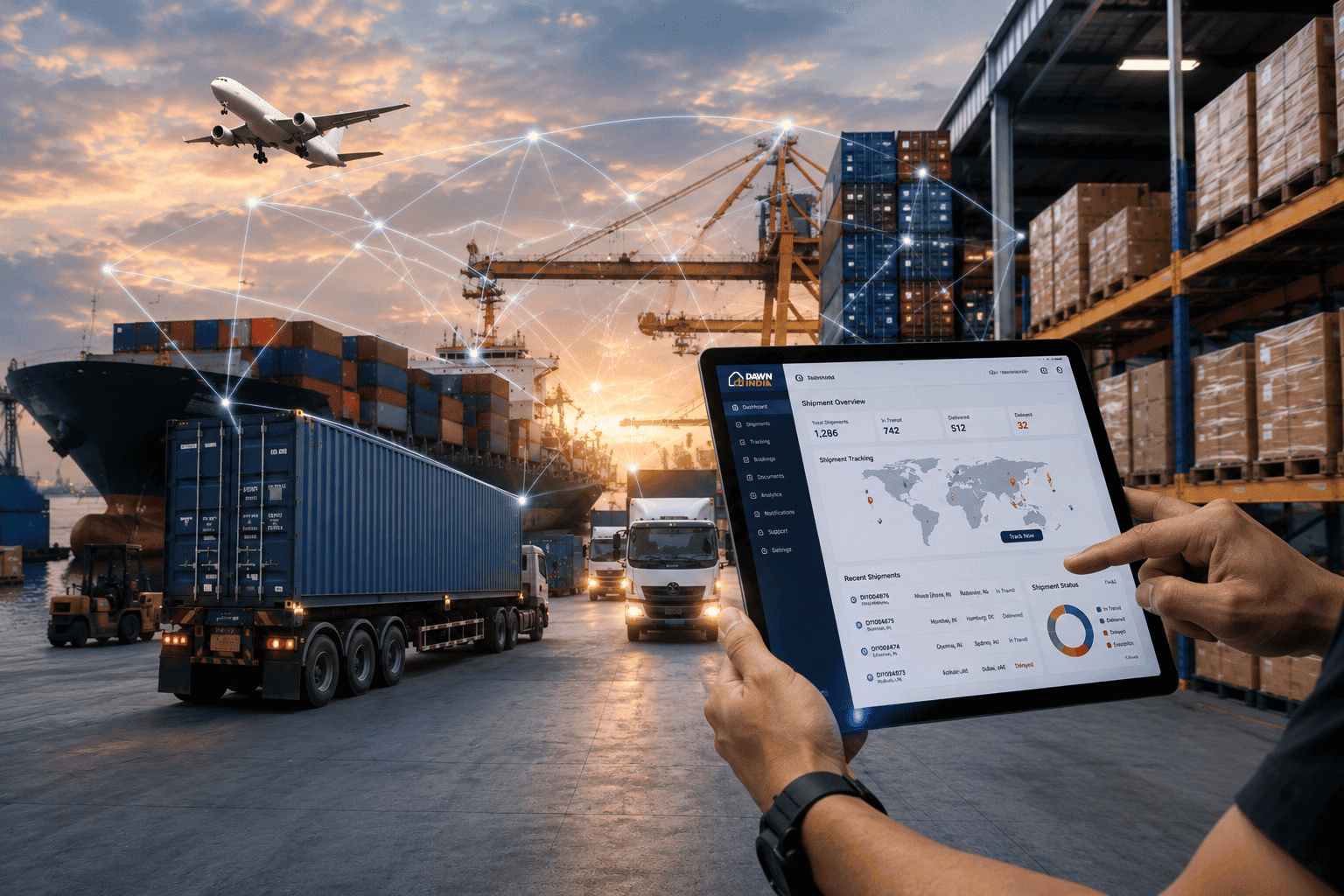


Moving goods from one place to another may look straightforward, but the process often involves several parties, documents and regulations. It becomes even more complex when products cross international borders. Freight forwarding helps businesses manage this process by coordinating transportation, customs clearance, storage and final delivery through one organised service.
What Is Freight Forwarding?
Freight forwarding is the process of planning and arranging the movement of goods from the seller or manufacturer to the final destination. A freight forwarder usually does not transport the cargo directly. Instead, the forwarder works with trucking companies, shipping lines, airlines, rail operators, warehouses and customs agents to manage the complete journey. Depending on the shipment, goods may travel by road, sea, air or rail. Some shipments use more than one mode of transport. For example, products may be collected from a factory by truck, shipped overseas by sea and then delivered to the buyer by road.
What Does a Freight Forwarder Do?
A freight forwarder acts as the main point of coordination between the business sending the goods and the different companies involved in moving them. The forwarder selects suitable routes and carriers, prepares shipping documents, arranges customs clearance and keeps the customer updated throughout the journey. Freight-forwarding services may also include cargo pickup, packing, labelling, temporary storage, shipment consolidation, insurance support and final delivery. The exact services depend on the type of goods, destination, delivery timeline and budget.
How the Freight-Forwarding Process Works
Shipment details and quotation
The process begins when the business shares the pickup and delivery locations, cargo type, number of packages, weight, dimensions and expected delivery date. The freight forwarder reviews the information and recommends a transport plan with an estimated cost.
Cargo pickup and origin handling
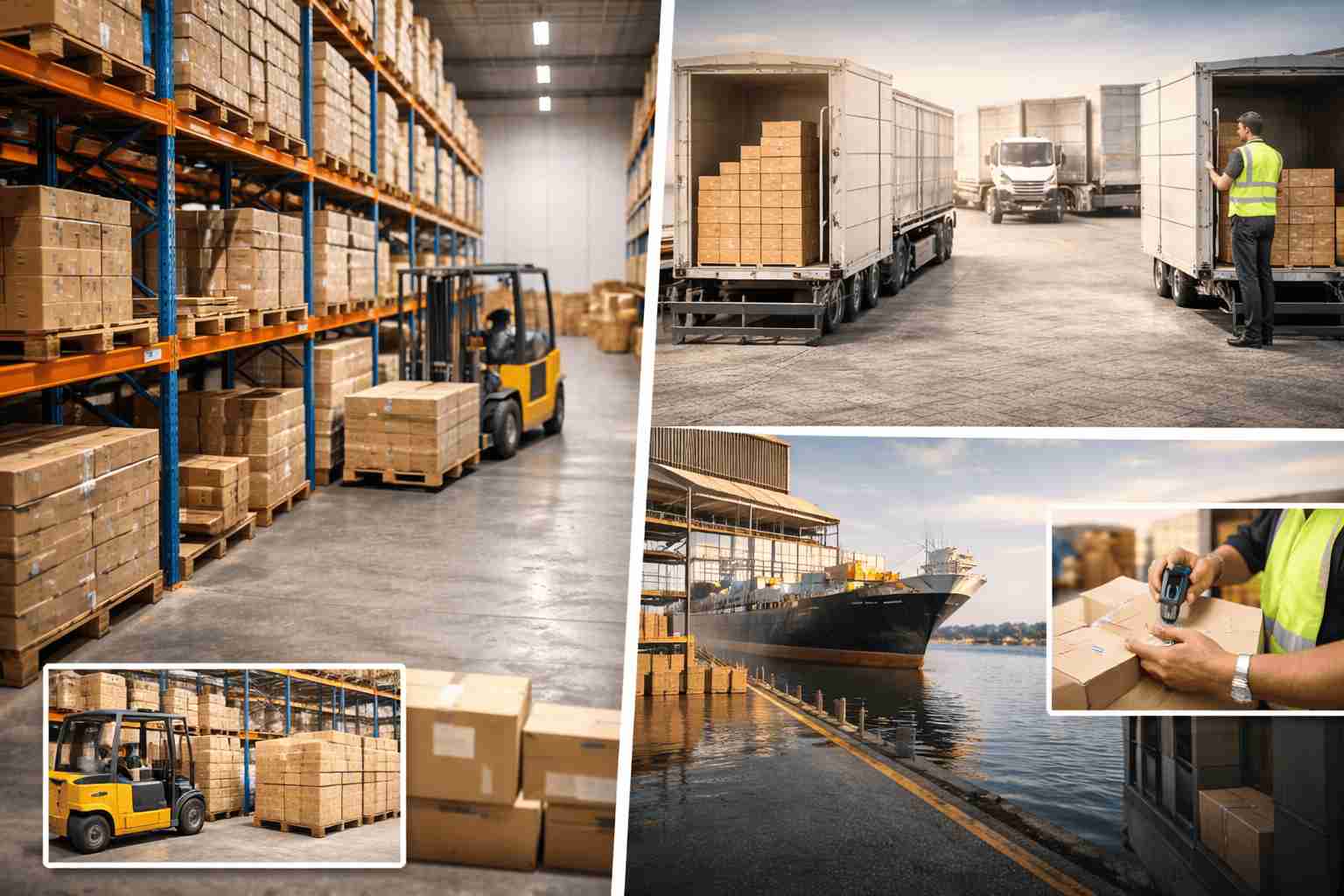
The goods are collected from the seller and moved to a warehouse, port, airport or cargo terminal. The shipment is checked for quantity, packaging, labels, dimensions and any special handling requirements.
Export documentation and customs clearance
For international shipments, the required export documents are prepared and submitted to customs. These may include the commercial invoice, packing list, bill of lading or air waybill, certificate of origin and export licence.
Main transportation
After customs clearance, the cargo travels by the selected transport method. The freight forwarder coordinates with the carrier, tracks important milestones and informs the customer about departures, arrivals or possible delays.
Import clearance and destination handling
When the shipment reaches the destination country, customs authorities review the documents, product information, duties and taxes. Once the shipment is released, it is moved to a local warehouse or delivery facility.
Final delivery
The goods are transported from the destination facility to the buyer, warehouse, factory or distribution centre. Proof of delivery is usually provided after the shipment is received.
Choosing the Right Transport Method
The best transport method depends on cost, speed, cargo size and urgency.
Ocean freight is generally suitable for heavy or large shipments that are not time-sensitive. Air freight is faster and is commonly used for urgent, high-value or lightweight goods, although it is usually more expensive. Road freight is flexible and is often used for domestic transport, cross-border movement, first-mile pickup and last-mile delivery. For sea shipments, a business may use a full container load when it has enough cargo for an entire container. Smaller shipments can be combined with goods from other customers in a less-than-container-load shipment, helping reduce costs.
Why Businesses Use Freight Forwarders
A freight forwarder reduces the amount of coordination a business must handle. Instead of contacting carriers, warehouses and customs agents separately, the company works with one experienced partner. This can save time, reduce documentation errors and make international shipping easier to manage. Freight forwarders may also provide access to different routes and carriers, negotiate competitive rates and offer shipment tracking. When delays or customs issues occur, an experienced forwarder can communicate with the parties involved and suggest practical alternatives.
How to Choose a Reliable Freight Forwarder
Businesses should look beyond the lowest quotation. A reliable freight forwarder should have experience with the required transport method, destination and type of cargo. The company should also provide clear pricing, proper documentation support, shipment tracking and responsive communication. For specialised goods such as food, chemicals, medicines or fragile products, businesses should confirm that the forwarder can provide suitable handling, storage and insurance support. A strong carrier network and good knowledge of customs procedures are especially important for international shipments.
Conclusion
Freight forwarding brings the different parts of cargo movement into one coordinated process. From pickup and documentation to customs clearance and final delivery, the freight forwarder helps goods move safely and efficiently. For businesses that regularly ship products across cities or countries, working with the right freight-forwarding partner can reduce complexity, improve visibility and support more reliable deliveries.