

Supply chains today face pressure from every direction. Political conflicts, natural disasters, labour shortages, price changes, cyber risks and transportation delays can interrupt the movement of materials and products without warning. Even a small disruption at one supplier or port can affect production schedules, customer deliveries and business costs.
This is why resilience has become just as important as efficiency. A resilient supply chain is prepared for risk, able to respond quickly and capable of recovering with minimum disruption. It does not remove uncertainty, but it helps a business continue operating when conditions change.
1. Understand the Risks Across the Supply Chain
The first step is to identify where the business is most vulnerable. Risks may come from internal issues such as poor planning, quality problems, weak inventory control or system failures. They may also come from external events such as supplier shutdowns, trade restrictions, extreme weather or sudden changes in demand.
Businesses should map the full supply chain, including key suppliers, transport routes, warehouses and critical materials. This makes it easier to see where too much dependence exists. Regular risk reviews, supplier checks and emergency planning can help teams prepare before a disruption becomes serious.
2. Improve Visibility and Use Reliable Data
A company cannot respond quickly if it does not know what is happening across its operations. End-to-end visibility gives teams a clear view of purchasing, inventory, production, transportation and final delivery.
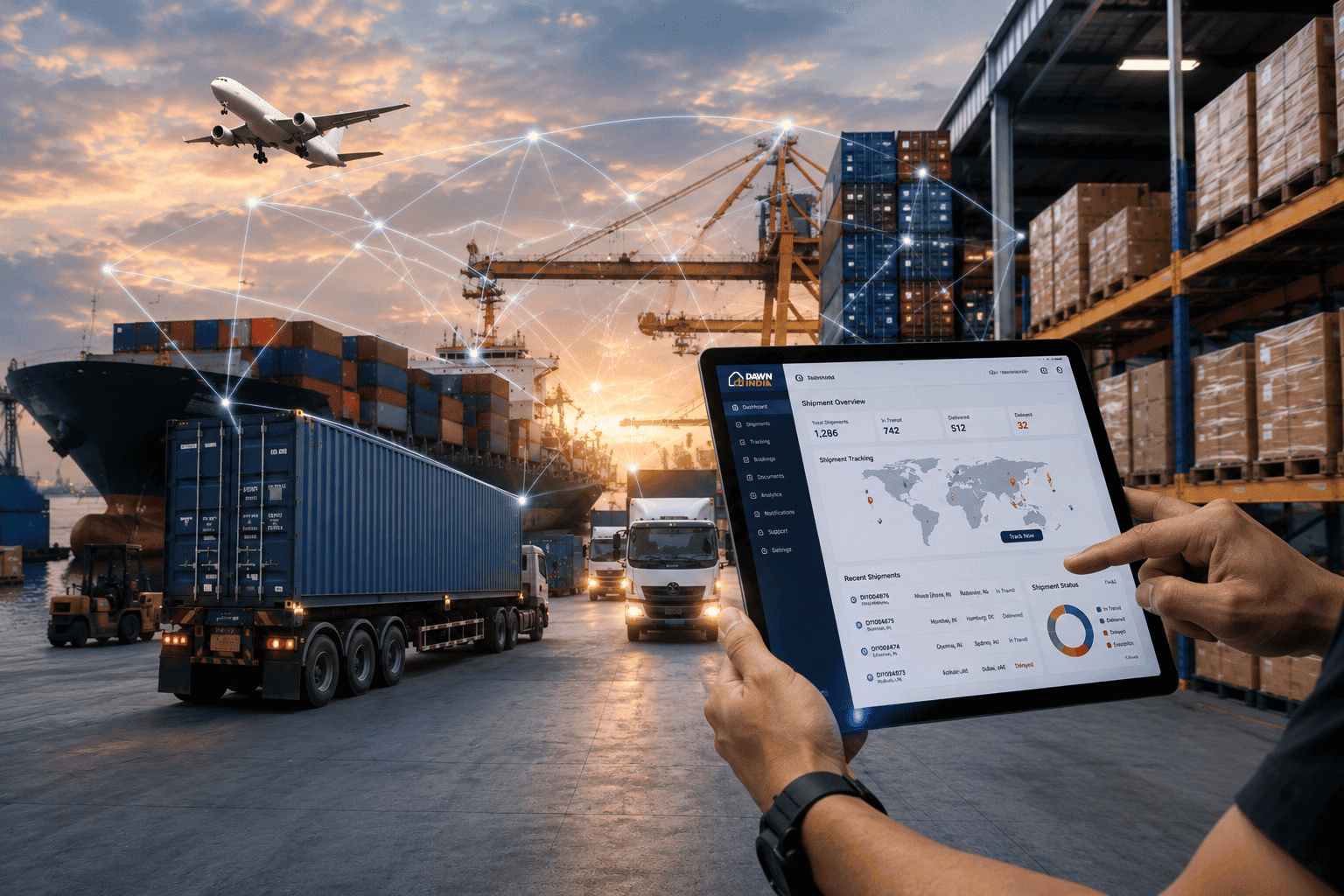
Real-time tracking tools such as GPS, RFID and IoT sensors can show the location and condition of goods. ERP, warehouse, transport and customer systems should also be connected so that teams work with the same information. A central dashboard or supply chain control tower can highlight delays, low stock, route issues and supplier problems in one place.
Good visibility depends on accurate data. Information should be current, consistent and easy to access. When data is reliable, managers can identify risks earlier, communicate more clearly and make faster decisions.
3. Build Flexibility into Sourcing and Logistics
Relying on one supplier, one country or one transport route creates unnecessary risk. Businesses should develop alternative options for critical materials and services. This may include working with multiple suppliers, using different shipping routes or maintaining backup transport partners.
Local and regional sourcing can also improve resilience. Suppliers located closer to manufacturing units or customer markets may offer shorter lead times, faster restocking and easier communication. A balanced mix of global, regional and local suppliers often provides a better combination of cost efficiency and flexibility.
The same principle applies to inventory. Holding excessive stock is expensive, but keeping no buffer for critical items can stop operations. Businesses should identify high-risk materials and maintain suitable safety stock based on demand, lead time and supply reliability.
4. Strengthen Supplier and Partner Relationships
Suppliers should be treated as long-term partners, not only as vendors. Regular communication, shared forecasts and clear expectations help both sides prepare for changes in demand or capacity.
Companies should review supplier performance, financial stability, quality, delivery reliability and compliance. They should also understand where important suppliers obtain their own materials. A disruption at a second-tier supplier can still affect the entire operation.
Strong relationships with transport providers, warehouses and customers are equally important. During a disruption, timely information and coordinated decisions can reduce delays and protect customer trust.
5. Use Technology to Support Faster Decisions
Technology can help businesses move from reactive problem-solving to proactive planning. AI and predictive analytics can study historical and real-time data to improve demand forecasting, identify unusual patterns and warn teams about possible delays.
Digital twins allow companies to test situations before making changes in the real world. For example, a business can study what may happen if a supplier stops production, a port closes or customer demand rises suddenly. Automation can also reduce manual work and improve the speed and accuracy of routine processes.
However, greater digital dependence also creates cybersecurity risks. Systems, supplier connections and business data must be protected through access controls, regular updates, backups and clear security procedures.
6. Make Sustainability and Continuous Improvement Part of the Plan
A resilient supply chain should also be responsible and compliant. Businesses need to follow trade laws, customs rules, safety standards and labour requirements. They should also work to reduce waste, energy use and carbon emissions, while preparing for climate-related risks.
Resilience is not a one-time project. Companies should regularly review supplier lead times, delivery accuracy, inventory levels, transport costs and customer complaints. Teams should learn from past disruptions, test emergency plans and encourage employees to suggest practical improvements.
Small, consistent changes often create stronger results than a single large initiative. A culture of continuous improvement helps the supply chain remain flexible as markets, technology and customer expectations evolve.
Conclusion
A resilient supply chain is built through preparation, visibility, flexibility and strong partnerships. Businesses that diversify suppliers, improve data sharing, use technology wisely and maintain backup plans are better prepared to manage uncertainty.
Disruptions cannot always be avoided, but their impact can be reduced. Companies that invest in reliable systems, responsible sourcing and continuous improvement can protect operations, serve customers more consistently and support long-term growth in a changing global market.