
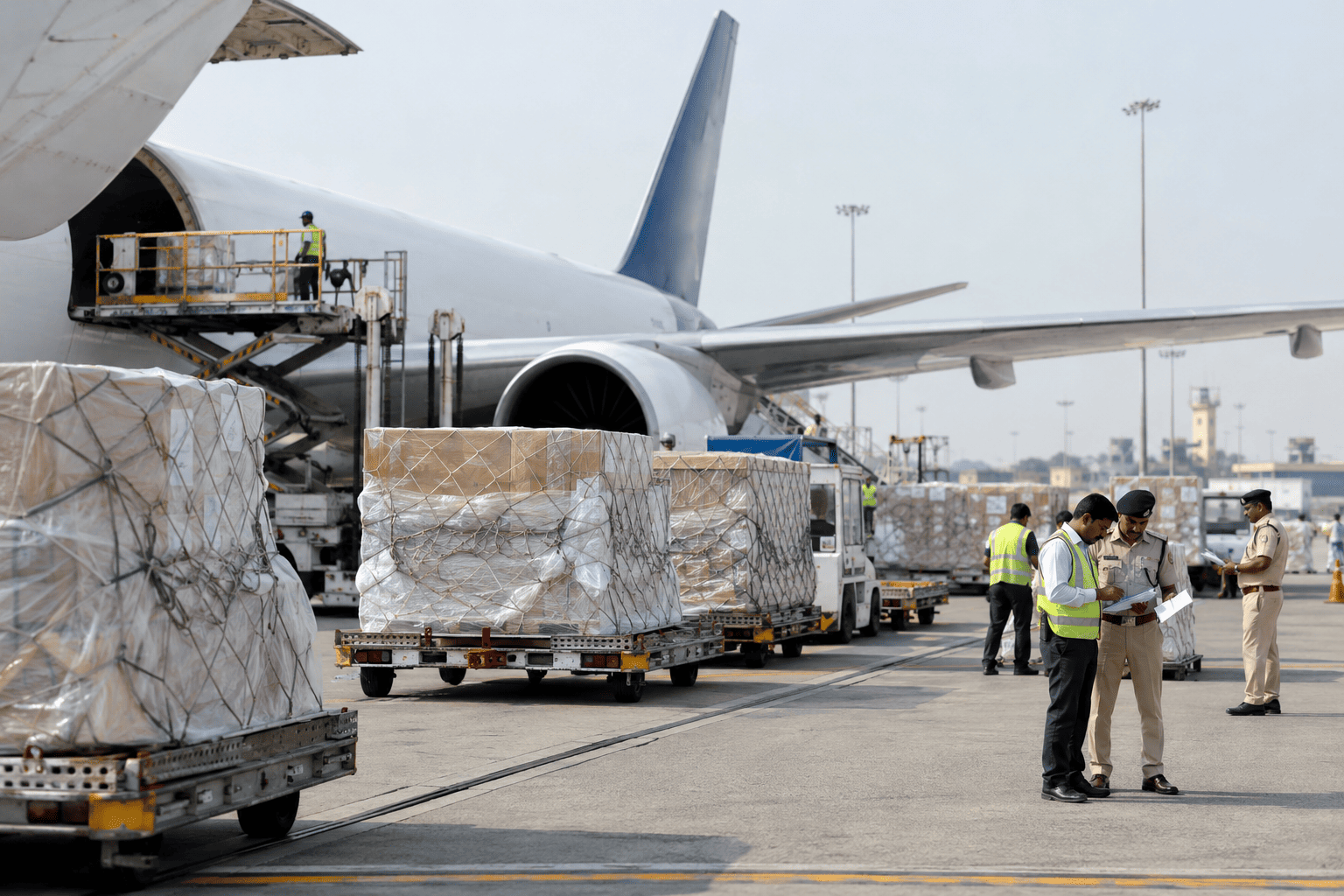

Importing goods into India can help businesses access new products, raw materials, machinery and international markets. However, the import process involves more than placing an order with an overseas supplier. Businesses also need to manage shipping documentation, customs clearance, import regulations, transportation and delivery.
Even a small error in the process can result in delays, additional costs or disruption to business operations. The good news is that many common import challenges can be reduced through proper planning, accurate documentation and the right logistics support.
Incorrect or Incomplete Import Documentation
Documentation is one of the most important parts of the import process. Missing documents, incorrect product descriptions or differences between shipping documents can create problems during customs clearance. Common documents may include the Commercial Invoice, Packing List, Bill of Lading or Air Waybill, Bill of Entry and applicable licences or certificates.
Before the shipment arrives, businesses should check that product descriptions, quantities, values and importer details are accurate and consistent across the documents. Accurate documentation helps support a smoother customs clearance process and reduces avoidable delays.
Incorrect HS Code Classification
Every imported product needs the appropriate HS code for customs classification. The classification helps determine applicable duties, taxes and regulatory requirements.
Choosing an incorrect HS code can lead to incorrect duty calculations, additional customs queries or delays in clearance. Products that appear similar may still require different classifications depending on their features, materials or intended use.
Businesses should review the product description, specifications, materials and intended use before confirming the classification. Where required, professional customs support can help businesses understand the applicable classification and requirements.
Ignoring Import Regulations and Approvals
Not every product can be imported under the same requirements. Certain goods may require specific licences, certificates or approvals before they can enter the Indian market.
Depending on the product, businesses may need to consider requirements associated with authorities such as BIS, FSSAI, CDSCO, DGFT or applicable plant and animal quarantine authorities.
These requirements can vary according to the nature of the goods. Businesses should therefore check the applicable requirements before placing an international order and ensure the necessary documentation is ready before shipment. Understanding regulatory requirements before shipping can help avoid unnecessary customs queries and clearance delays.
Underestimating the Total Import Cost
The purchase price of goods is only one part of the overall import cost. Businesses also need to consider expenses related to freight, customs duties and taxes, insurance, port handling, warehousing and inland transportation. Depending on the shipment, additional charges such as demurrage or detention may also arise.
Before confirming an international order, businesses should understand the complete landed cost and the responsibilities of the buyer and seller under the agreed shipping terms. Proper cost planning helps businesses make better purchasing decisions and avoid unexpected expenses after the shipment arrives.
Choosing the Right Logistics Partner
The choice of freight forwarding and logistics partner can have a significant impact on the import process. Selecting a provider only because it offers the lowest shipping rate may not always be the best approach.
Businesses should also consider:
- Customs clearance support
- Shipment tracking and communication
- Experience with the required cargo
- Freight and transportation options
- Warehousing and distribution support
- Handling requirements for specialised or sensitive goods
A suitable logistics partner can coordinate different stages of the shipment and help businesses manage customs, transportation, warehousing and final delivery more efficiently.
Planning for a Smoother Import Process
A well-planned import process starts before the goods leave the supplier. Businesses should verify documentation, understand applicable regulations, review product classification and estimate the complete landed cost in advance.
They should also communicate clearly with their freight forwarder and customs partner about the shipment, cargo requirements and expected delivery timeline.
For businesses importing goods regularly, maintaining a consistent process for documentation, customs compliance, freight coordination and delivery planning can make international trade easier to manage.
How Dawn India Supports Import Operations
Import logistics often involves several connected activities, from customs clearance and freight forwarding to warehousing and onward transportation. Managing these activities through a coordinated logistics partner can simplify the process for businesses.
Dawn India provides customs broking, freight forwarding, warehousing and contract logistics services to support businesses with their import and supply chain requirements. Its customs broking services focus on documentation, regulatory compliance and smoother clearance, while its freight forwarding solutions support air, sea and multimodal movement.
For businesses that also require storage or distribution after clearance, Dawn India provides warehousing and contract logistics support, helping connect different stages of the supply chain.
Conclusion
Importing goods into India can become easier when businesses prepare for the process in advance. Accurate documentation, correct product classification, regulatory awareness, proper cost planning and reliable logistics support can help reduce avoidable delays and operational difficulties.
Rather than treating customs clearance and transportation as separate activities, businesses can benefit from a more coordinated approach to their import operations. With the right planning and logistics partner, businesses can manage imports more efficiently and maintain a smoother flow of goods from international suppliers to their final destination.